
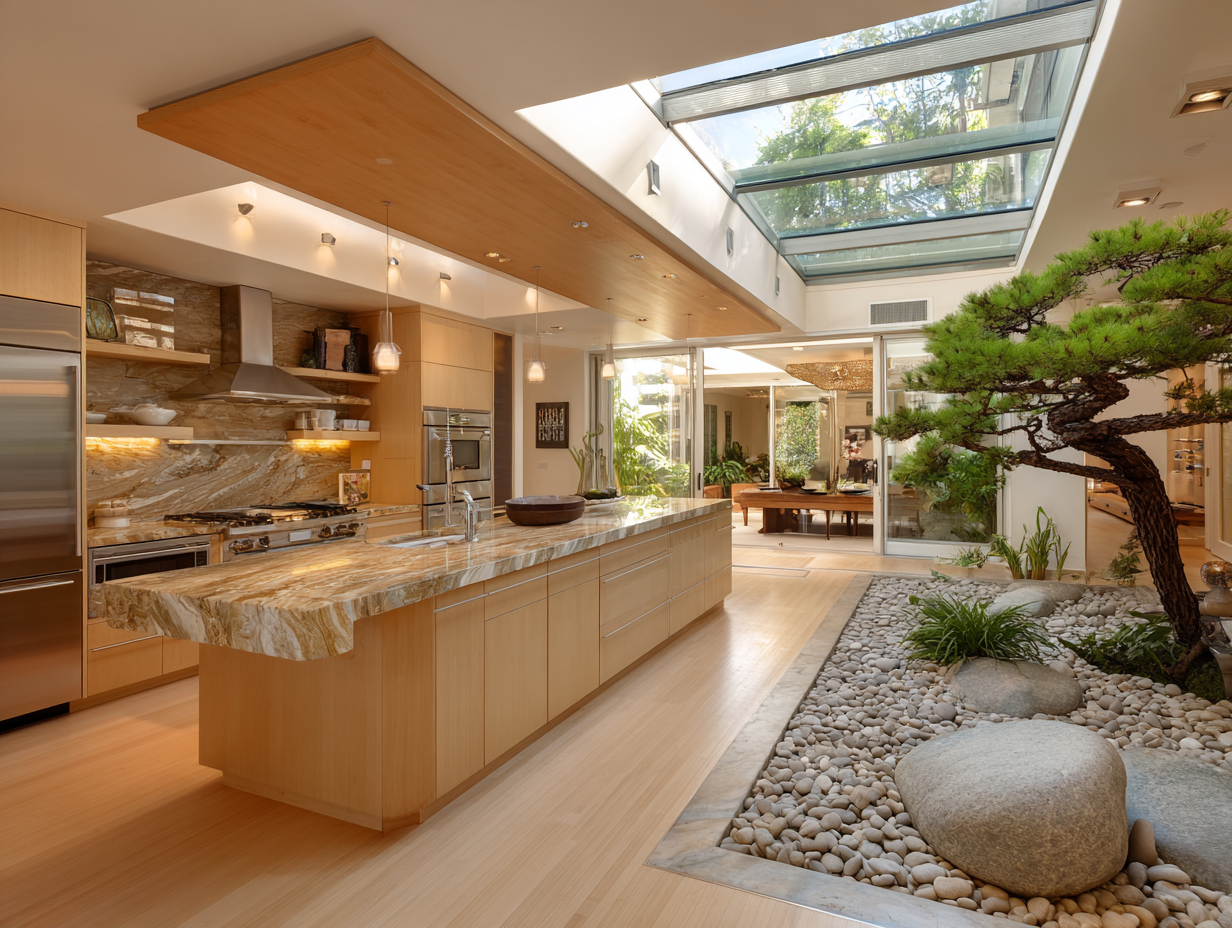
Choosing the right cabinets can make or break a kitchen, laundry room, garage, or home office project. Cabinets influence how a space looks, how it functions, and how long it lasts under daily use. For many homeowners and renovators, rta kitchen cabinets have become a popular option because they balance affordability, flexibility, and modern design.
Still, not all ready-to-assemble cabinets are created equal. Some are built to last for decades, while others may show wear in just a few years. Before you invest your money, it is important to know what separates high-quality cabinets from low-grade ones. This guide walks you through everything to look for, from materials and construction to finishes, hardware, and long-term value.
What Are RTA Cabinets and Why They Are Popular
Ready-to-assemble cabinets arrive in flat-packed boxes and are assembled on-site. This shipping method reduces transportation costs and minimizes damage during delivery. Many homeowners also appreciate the faster availability and wider range of styles compared to custom cabinetry.
High-quality rta cabinets are designed to match or even exceed the durability of many pre-assembled options when built with proper materials and craftsmanship. The key is knowing how to evaluate quality before buying.
Cabinet Box Construction: The Core of Quality
The cabinet box, also known as the carcass, is the foundation of any cabinet system. If the box is weak, no amount of attractive doors or hardware will make up for it.
Plywood vs. Particle Board
One of the first things to check is the box material.
- Plywood
Plywood boxes are considered the gold standard. They are made of multiple layers of wood veneer glued together, creating strength and resistance to warping. Look for cabinets that use ½-inch or ¾-inch thick plywood for the sides, top, and bottom. - Particle board or MDF
These materials are made from wood fibers and resin. While some higher-density versions can perform well, low-quality particle board is prone to swelling when exposed to moisture. If you choose cabinets with these materials, ensure they are sealed properly and designed for interior use only.
Back Panels Matter
A full back panel adds rigidity and makes installation easier. Thin stapled backs can flex and weaken over time. High-quality rta cabinets often feature solid backs that support wall mounting and maintain alignment.
Joinery Techniques That Signal Durability
How the cabinet pieces are joined together plays a major role in strength and longevity.
Dovetail Joints for Drawers
Dovetail joints are interlocking cuts that create strong drawer corners without relying heavily on glue or staples. They are a clear sign of quality craftsmanship and help drawers withstand years of opening and closing.
Mortise and Tenon or Cam Lock Systems
Some ready-to-assemble cabinets use modern cam lock and dowel systems. When engineered correctly, these systems provide excellent stability and make assembly easier for homeowners. Avoid cabinets that rely only on staples or thin nails.
Door Styles and Materials: Where Looks Meet Performance
Cabinet doors are the most visible part of your cabinetry, but they also endure frequent handling.
Solid Wood vs. Engineered Options
- Solid wood doors
These offer natural beauty and long-term durability. Maple, birch, oak, and cherry are common choices. - MDF center panels with solid wood frames
This combination helps reduce cracking or warping caused by seasonal humidity changes while maintaining a classic appearance.
Five-Piece Door Construction
A five-piece door has a frame made of four pieces and a center panel. This design allows for natural expansion and contraction, reducing the risk of splitting. Many premium rta cabinets use this method to balance style and stability.
Drawer Boxes: Small Details with Big Impact
Drawers are often overlooked, yet they experience some of the most frequent use.
Drawer Box Thickness
Look for drawer boxes made from solid wood or high-quality plywood with a thickness of at least ½ inch. Thin drawer sides can bow or crack under weight.
Drawer Bottoms
A recessed or captured drawer bottom adds strength. Bottoms that are simply stapled or glued may loosen over time, especially in kitchens where drawers hold heavy items.
Hardware Quality: The Hidden Workhorse
Cabinet hardware is responsible for smooth operation and everyday comfort.
Soft-Close Hinges
Soft-close hinges prevent doors from slamming and reduce wear on the cabinet frame. They also add a sense of quality and quiet to your space.
Full-Extension Drawer Slides
Full-extension slides allow you to access the entire drawer, not just the front portion. Soft-close slides are an added bonus, improving usability and protecting the cabinet structure.
High-quality rta cabinets usually include premium hardware as standard, not as an upgrade.
Finishes and Coatings: Protection You Can See and Feel
A cabinet’s finish does more than provide color. It protects the wood from moisture, stains, and daily wear.
Multi-Step Finishing Processes
Look for cabinets that use multiple coats of paint or stain, followed by a protective topcoat. This process results in a smoother surface and better resistance to chipping.
UV-Cured Finishes
Some manufacturers use UV-cured finishes that harden quickly and provide excellent durability. These finishes are often more resistant to scratches and fading.
Consistency Across Panels
Check that the color and texture are consistent across doors, drawer fronts, and frames. Uneven finishes may indicate rushed production or lower quality control.
Assembly Instructions and Ease of Installation
Even the best materials can become frustrating if the cabinet is difficult to assemble.
Clear Instructions
Quality manufacturers provide step-by-step instructions with diagrams. This reduces errors and ensures cabinets are assembled as intended.
Pre-Drilled Holes and Labeled Parts
Pre-drilled holes ensure proper alignment, while labeled components make assembly faster and less confusing. Well-designed rta cabinets are engineered with the end user in mind.
Customization and Design Flexibility
One of the biggest advantages of ready-to-assemble cabinetry is flexibility.
Cabinet Sizes and Configurations
Look for a wide selection of base, wall, and tall cabinets in various widths and heights. This allows you to create a layout that fits your space without awkward gaps or fillers.
Door Styles and Colors
High-quality lines offer multiple door styles and finish options, making it easier to match your cabinets to modern, traditional, or transitional designs.
Environmental and Safety Considerations
Modern homeowners often care about sustainability and indoor air quality.
Low-VOC Materials
Low-VOC finishes and adhesives reduce harmful emissions and improve indoor air quality. This is especially important in kitchens and small spaces.
Certified Wood Sources
Some manufacturers use wood from responsibly managed forests. While not required, these certifications add peace of mind and reflect a commitment to ethical sourcing.
Warranty and Manufacturer Support
A warranty is a strong indicator of how much confidence a company has in its product.
Length and Coverage
Look for warranties that cover structural components, finishes, and hardware for several years or more. Short or limited warranties may signal lower-quality construction.
Customer Support
Responsive customer service can make a big difference if you encounter missing parts or installation questions. Reputable rta cabinets brands often provide helpful support and replacement options.
Price vs. Value: What You Are Really Paying For
While it can be tempting to choose the lowest-priced option, value should be the real goal.
Where Costs Are Justified
Higher prices often reflect better materials, stronger joinery, premium hardware, and durable finishes. These features reduce the likelihood of repairs or replacement later.
Avoiding False Savings
Cheap cabinets may save money upfront but cost more over time due to warping, broken hardware, or frequent repairs. Investing in quality from the start often delivers better long-term satisfaction.
Common Mistakes to Avoid When Buying RTA Cabinets
Even informed buyers can make missteps. Watch out for these common issues:
- Ignoring material specifications
- Overlooking hardware quality
- Choosing style over construction strength
- Skipping warranty details
- Underestimating the importance of finish durability
Conclusion
Buying cabinets is a major decision that affects both the look and function of your space. By focusing on construction quality, materials, hardware, finishes, and manufacturer support, you can confidently choose cabinets that deliver lasting value. Taking the time to evaluate these details before purchasing helps ensure your investment enhances your home and stands up to daily use for the long haul.