
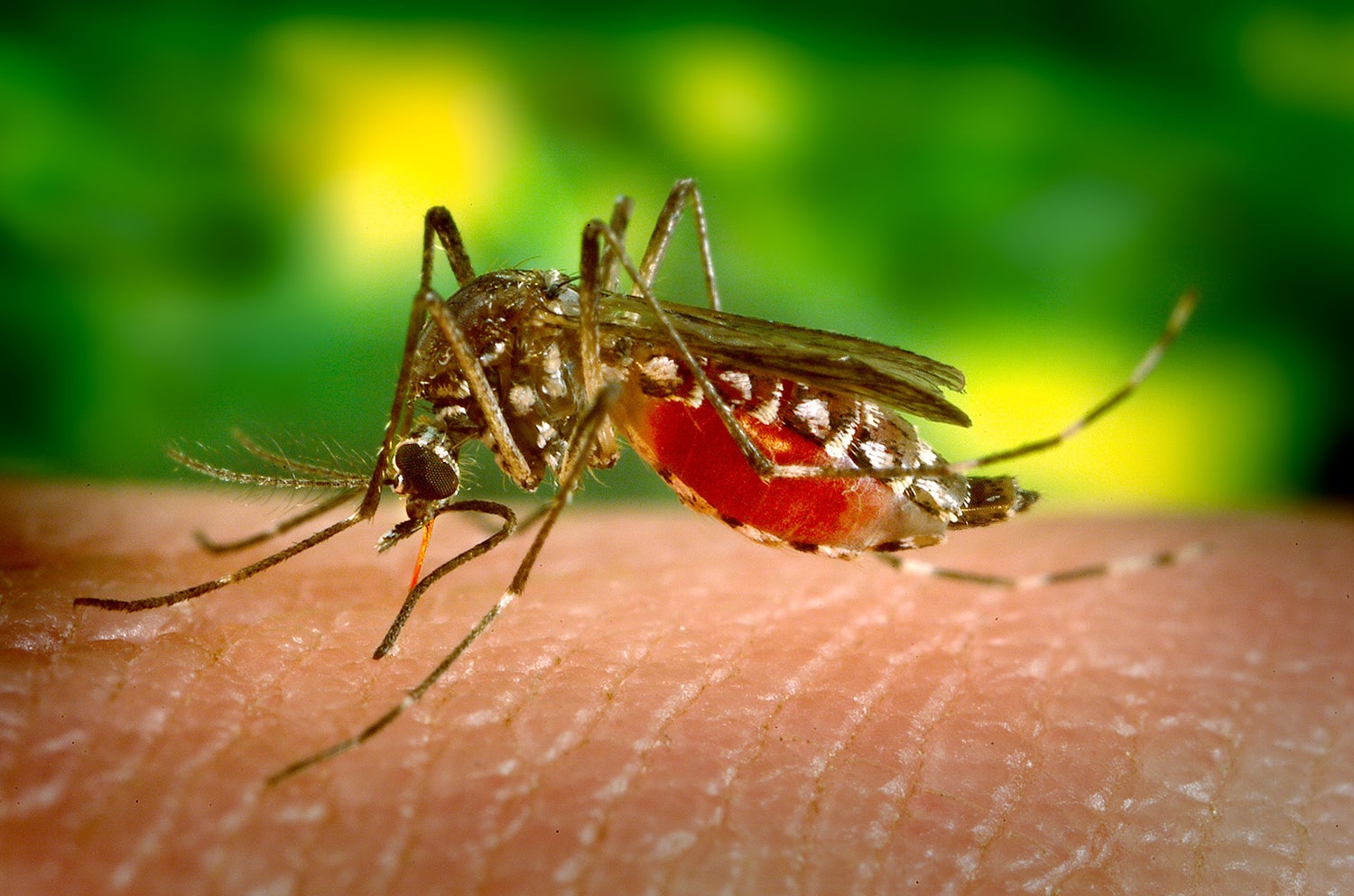
Mosquitoes thrive in Four Corners because of the warm weather, frequent rain, and humid air. They cause itchy bites and outdoor discomfort, but they can have a more serious impact on people and homes. Mosquitoes have been known to transmit harmful diseases to people. Also, ongoing mosquito issues can lead to broader pest problems around homes and yards. That is why residents should have an exterminator in Four Corners to rely on when they have mosquitoes on their property. Read on to better understand how mosquitoes can lead to further pest issues:
Standing Water Draws Other Pests
Mosquitoes rely on standing water to reproduce. Birdbaths, clogged gutters, plant saucers, and low spots in yards collect water after rain. These water sources can also attract other pests. Ants, roaches, and flies in Four Corners gather near moisture. Rodents visit water-rich areas during dry periods.
Lush Vegetation Becomes Shelter for Pests
Mosquitoes rest in shaded plants and tall grass during the day to escape the heat. This vegetation also shelters other pests. Ant colonies form under mulch. Spiders build webs among shrubs. Rodents hide beneath dense ground cover.
Increased Outdoor Activity Raises Indoor Risk
Homeowners may leave doors open longer to move quickly or use fans near entryways. These habits create entry opportunities for ants, flies, and roaches. Also, screens suffer more wear due to frequent use.
Moisture Control Challenges Grow
Efforts to reduce mosquitoes often involve watering adjustments or mist systems. When mismanaged, these methods raise humidity near homes. High moisture levels draw pests that seek water.
Light Use Attracts Multiple Insects
Outdoor lighting draws mosquitoes at night. These lights also attract moths, beetles, and flies. Spiders and geckos may appear near doors and windows.
Clogged Gutters Create Pest Highways
Gutters often collect water after rain, which supports mosquito breeding. Leaves and debris can build up over time. Clogged gutters also attract ants, roaches, and rodents. These pests use gutters as travel routes along rooflines.
Increased Use of Repellents Affects Pest Balance
Frequent use of mosquito repellents changes insect behavior. Some insects avoid treated areas while others adapt. When certain pests retreat, competitors may expand. Ants or flies may fill gaps left by reduced mosquito activity.
Drainage Issues Support Multiple Pests
Poor drainage allows water to pool near foundations. Mosquitoes use these areas to reproduce. Ants build nests in damp soil. Termites remain active underground where moisture stays steady.
Birds and Wildlife Add to Pest Pressure
Mosquito-heavy areas attract birds and small wildlife that feed on insects. While helpful in some ways, their presence creates new issues. Bird droppings attract flies. Nest materials support mites and beetles. Wildlife movement disturbs soil and plants.
Mosquito Control Devices Draw Other Insects
Some mosquito traps emit light or scent to attract insects. These devices often capture non-target species as well. As insects gather near traps, others follow. Ants and spiders take advantage of increased insect traffic. Placement and use are important to avoid unwanted effects.
Seasonal Mosquito Surges Increase Pest-Related Stress
Mosquito populations surge after heavy rain. During these periods, other pests also become more active. Warm, wet conditions favor reproduction across many species.
Structural Wear Increases Entry Points
Humidity tied to mosquito activity affects building materials. Wood can swell, and caulk can soften. Also, seals can weaken. Pests gain entry as gaps form. Ants, roaches, and mosquitoes share these access points. Moist conditions accelerate this wear.
As mosquitoes drive people indoors, interior spaces see more activity. Doors open and close more often. Air circulation patterns change. These changes affect pest movement. Indoor humidity may rise, which attracts pests that prefer damp areas in Four Corners.