
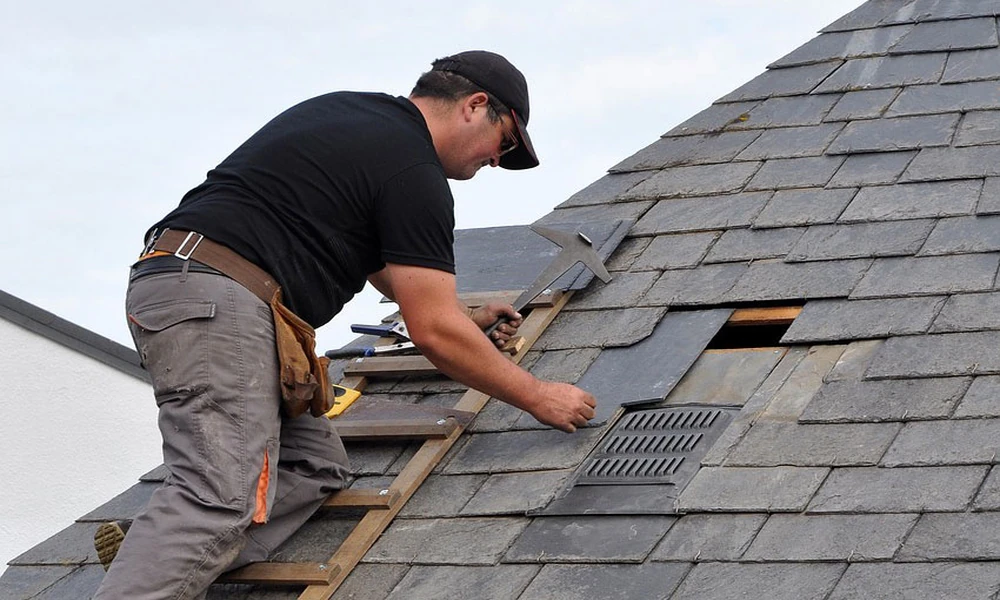
A roof does much more than keep rain out of a house. It protects the structure, helps regulate indoor temperatures, shields belongings from the elements, and plays an important role in maintaining a property’s value. Yet because most of the roof is out of sight, it is easy for homeowners to overlook problems until they become serious.
For homeowners in Tomball, Texas, staying ahead of roof maintenance can be particularly important. The area experiences intense sun, heavy rain, strong winds, hail, humidity, and severe storms, all of which can gradually affect roofing materials. Storm damage may be obvious when shingles are missing, but other problems can remain hidden until water finds its way into the home.
The good news is that homeowners do not have to wait for a major leak before taking action. A few simple habits, combined with professional inspections when necessary, can help extend the useful life of a roof and prevent avoidable repair expenses.
Start With Regular Visual Inspections
One of the simplest ways to protect a roof is to look at it regularly. Homeowners do not necessarily need to climb onto the roof to identify potential problems. In fact, walking on a roof without the right equipment and experience can create safety risks and potentially damage roofing materials.
Instead, inspect the roof from the ground using binoculars if necessary. Look for missing, cracked, curling, or visibly damaged shingles. Pay attention to areas around chimneys, vents, skylights, and other roof penetrations because these locations often depend on flashing and seals to prevent water intrusion.
You should also inspect the gutters and areas around downspouts. Finding an unusual amount of roofing granules in the gutters can be a sign that shingles are beginning to deteriorate. These small particles help protect shingles from weather exposure, so significant granule loss deserves attention.
A visual inspection cannot replace a professional assessment, but it can help homeowners notice changes early.
Do Not Ignore Small Water Stains
A small brown stain on a ceiling may seem like a minor cosmetic problem. It is not something that should simply be painted over.
Water stains can indicate that moisture is entering somewhere above the affected area. The visible stain may not be directly underneath the point where water enters the roof because moisture can travel along decking, insulation, framing, or other surfaces before appearing inside the home.
If a stain grows after rainfall, develops repeatedly, or is accompanied by a musty smell, the issue deserves prompt attention. Delaying an inspection can allow moisture to damage insulation, wood, drywall, and other parts of the home.
Even when a leak appears small, determining its source is important. Fixing the visible symptom without addressing the underlying cause can result in the same problem returning during the next major storm.
Understand How Tomball Weather Affects Roofing Materials
Weather is one of the biggest factors influencing roof performance. Tomball homeowners have to deal with conditions that can place considerable stress on roofing systems over time.
Extended periods of strong sunlight can cause roofing materials to age gradually. Heavy rainfall tests flashing, seals, valleys, and drainage systems. Strong winds can lift or damage shingles, while hail can leave impact damage that is difficult to see from the ground.
Storm damage is especially worth checking after severe weather. A roof may look normal from a driveway while individual shingles, flashing components, vents, or other areas have been damaged.
After a significant storm, homeowners should look around the property for clues. Missing shingles in the yard, damaged gutters, fallen branches, exposed roofing materials, or new water stains inside the house can all justify a professional inspection.
Know When a Repair May No Longer Be Enough
Not every roofing problem requires a complete replacement. A damaged flashing component, isolated leak, or a small number of damaged shingles may be repairable.
However, repeatedly repairing an aging roof can eventually become less practical than replacing it. If problems continue appearing in different areas, the roof has extensive deterioration, or the underlying structure has suffered moisture damage, a larger solution may be necessary.
Age is another factor. Asphalt shingle roofs can have useful lives that vary considerably depending on material quality, installation, ventilation, maintenance, and local weather exposure. A roof approaching the later part of its expected lifespan deserves closer attention even if it has not developed a major leak.
The key is not to assume that every old roof needs immediate replacement. A qualified professional can evaluate its actual condition and explain whether repair, maintenance, or replacement makes the most sense.
Choosing the Right Roofing Professional Matters
When homeowners need professional assistance, choosing a qualified contractor is just as important as recognizing the problem.
A reputable roofing company in Tomball should be willing to explain what is wrong, show the homeowner evidence of the problem, and discuss available solutions rather than automatically recommending the most expensive option. A thorough inspection should consider more than just the visible shingles.
The contractor should look at areas such as flashing, roof penetrations, valleys, ventilation, decking, gutters, and signs of moisture intrusion. Understanding the condition of the entire roofing system makes it easier to determine whether a targeted repair will solve the problem or whether more extensive work is justified.
Homeowners should also ask about materials, workmanship, warranties, project timelines, cleanup procedures, and payment expectations before approving a major roofing project.
Taking the time to ask questions can make a significant difference, especially when the work involves a substantial investment.
Keep Gutters and Drainage Systems Clear
Roof maintenance is not limited to the roof itself. Gutters and downspouts play a major role in moving rainwater away from the structure.
When gutters become clogged with leaves, branches, dirt, and roofing debris, water can overflow against fascia boards, siding, landscaping, or the foundation. In some cases, persistent moisture around the roof edge can contribute to wood deterioration.
Homeowners should inspect gutters regularly and make sure downspouts direct water far enough away from the home’s foundation. Gutters should also be checked for sagging sections, loose fasteners, cracks, and separated joints.
Keeping the drainage system functional is a relatively inexpensive maintenance task that can prevent much larger problems.
Pay Attention to the Attic
The attic can provide valuable clues about roof performance. While homeowners often focus on the exterior, conditions inside the attic can reveal problems that are not immediately visible from the ground.
Look for damp insulation, water stains on wood, visible mold growth, unusual odors, or signs that moisture has entered during rainfall. Poor ventilation can also contribute to excessive heat and moisture accumulation.
Proper attic ventilation helps manage temperature and moisture levels. When ventilation is inadequate, roofing materials can experience additional stress, while moisture may create conditions that contribute to deterioration.
If something looks unusual in the attic, it is better to investigate rather than assume it is harmless.
Trim Nearby Trees Before They Become a Roofing Problem
Trees provide shade and improve the appearance of a property, but branches growing too close to the roof can create problems.
During strong winds, branches can scrape against shingles or break and fall onto the roof. Leaves and small debris can also accumulate in gutters and drainage areas.
Regularly trimming branches away from the roof can reduce these risks. Large or difficult-to-reach trees should be handled by qualified tree professionals rather than homeowners attempting dangerous work themselves.
Keep Records of Roofing Work
Another simple habit that can make future roof maintenance easier is keeping documentation.
Save inspection reports, repair invoices, photographs, warranty information, material details, and records of storm-related damage. Knowing when repairs were completed and what materials were used can help contractors understand the roof’s history.
Photographs can also be useful when comparing the roof’s condition over several years. A gradual change may be difficult to notice from one inspection to another, but comparing photographs can reveal deterioration that would otherwise go unnoticed.
Think of Roof Maintenance as Preventive Home Care
The most effective roofing strategy is rarely waiting until something goes wrong. Regular observation, gutter maintenance, tree trimming, attic checks, and timely professional inspections can help homeowners identify problems while they are still manageable.
This approach can also make budgeting easier. A homeowner who knows that a roof is approaching the end of its useful life has time to research materials, compare contractors, and plan for the expense. Someone who waits until a major leak develops may have fewer choices and greater urgency.
Your roof is one of the most important protective systems your home has. Giving it regular attention does not necessarily mean spending large amounts of money. Often, the most valuable step is simply recognizing a warning sign and dealing with it before it becomes a much bigger problem.
For Tomball homeowners, that proactive mindset can mean fewer surprises, better protection from severe weather, and greater confidence that the roof above their family is ready for whatever the next season brings.