
A listing shows one weekly figure. Three months later, the renter has paid for a bed frame, a mattress, a desk, an internet installation, an electricity connection, and a removal van. The weekly rent was accurate. It just wasn’t the cost of living there.
That’s the trouble with comparing apartment rentals in Sydney on weekly rent alone. Add up the furniture, the utility connections and the moving costs, and the cheaper listing doesn’t always stay cheaper. A higher all-inclusive rate, on the other hand, can leave very little to add.
The Costs That Sit Outside the Listing
Unfurnished renting comes with a shopping list. Furniture has to be bought, borrowed, or moved across the city. Utility accounts need opening. Internet needs connecting, sometimes with a wait.
None of this appears in the advertised rent, and most of it lands in the same week as the bond and the first payment. That is usually the week when money is tightest.
Leaving brings a smaller version of the same problem. Furniture has to be sold, stored, or moved again, and accounts have to be closed. For someone staying a year or less, those costs can make up a noticeable share of the total.
What “All-Inclusive” Is Meant to Remove
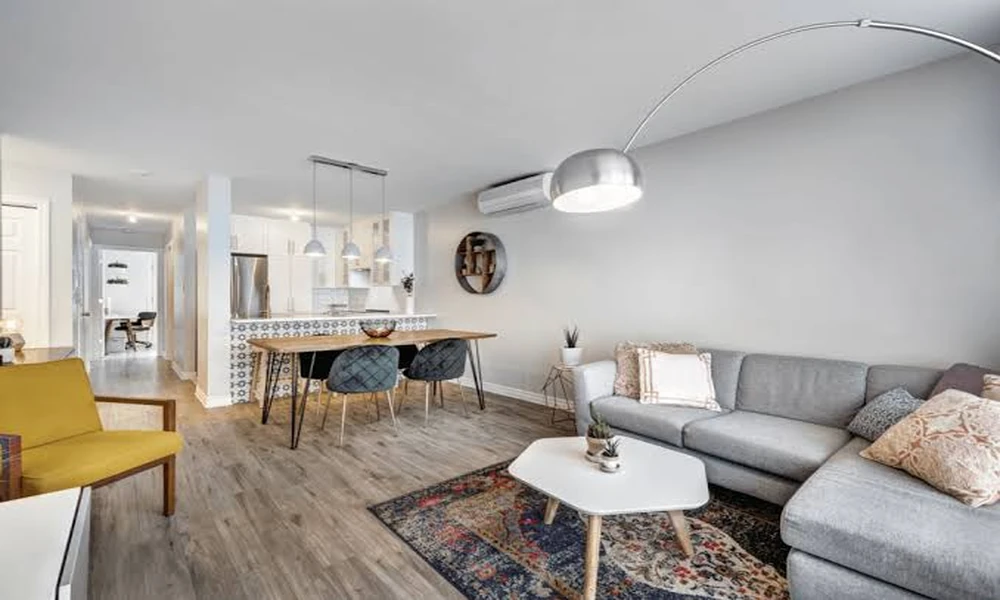
Weave Living builds its renting model around removing that shopping list. Its homes are fully furnished and offered at all-inclusive rates. The company states that it charges no agent fees, management fees or renewal fees. Finding, booking and managing a home all happen online, in three steps: select a home, book it, move in.
In Sydney, that model currently applies to one property: Weave Campus – Ultimo, a student housing building of 70 furnished units close to the University of Sydney, UTS and Central Station. Lease terms run from six to twelve months, subject to actual semester dates. Anyone comparing apartment rentals in Sydney with that in mind should treat this option as a student home, not a general apartment.
Two Ways to Set Up a Home
| Consideration | Typical Unfurnished Rental | All-Inclusive Furnished Rental |
|---|---|---|
| Furniture | Bought or moved in by the renter | Provided |
| Move-in week | Furniture, utility connections, internet setup | Mostly unpacking |
| Ongoing bills | Rent plus separate accounts | One rate, with some services charged separately |
| Moving out | Selling, storing or moving furniture | Packing personal belongings |
| Comparing listings | Requires adding up several costs | Closer to the real weekly figure |
The fourth row is the one renters tend to forget. A home that’s easy to leave suits anyone whose plans run on semesters or contracts rather than decades.
When the Lower Figure Still Wins
All-inclusive renting isn’t automatically the better deal. A household that already owns furniture gains little from a furnished home. Someone planning to stay several years can spread setup costs over a long period, and those costs shrink in importance.
Some renters simply want control over their space: their own sofa, their own internet plan, their own choice of everything. For them, an unfurnished lease is the point, not the problem.
Length of stay usually decides it. Short and medium stays favour furnished, inclusive homes. Long stays with established belongings favour the traditional route.
A short note against each listing, covering furniture, bills, fees and the move out, turns a confusing comparison into a simple one.
The Number Worth Comparing
Back to that first listing, the one with the attractive weekly figure. By the end of the first quarter, its real cost included a van, a mattress and three connection fees. The rent hadn’t changed at all. What changed was the renter’s understanding of what a week in that home actually cost.