
Introduction
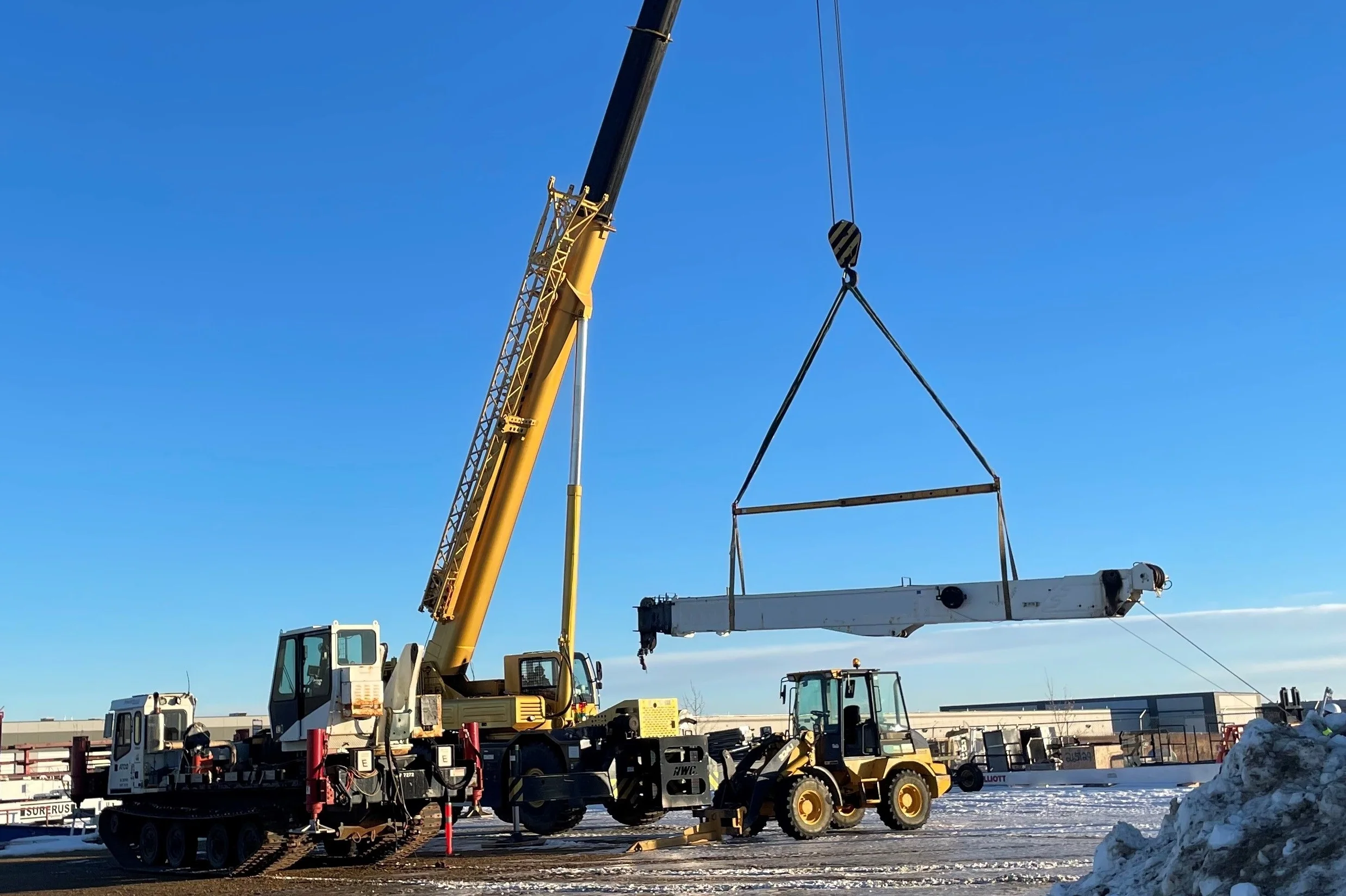
If you have been assigned to lift heavy or asymmetrical loads, you are aware of how crucial it is to choose the right lifting equipment. Selecting the wrong spreader bar can result in major failures, structural harm, and severe injuries. You must have faith that your lifting gear satisfies the demands of your particular use while upholding safety regulations, which is why understanding construction spreader bar rental tips can be just as important as selecting the equipment itself. It’s an organized method for selecting the best spreader bar for your lifting task, considering factors such as load capacity, size, center of gravity, surrounding circumstances, and relevant safety regulations. This article will explore this subject in more detail.
Why is hardware compatibility essential for rigging?
For secured lifting tasks, rigging gear compatibility guarantees an effortless connection between lifting ropes, crane attachments, and spreader bars. To avoid equipment incompatibilities that could compromise lift security, spreader bars must be compatible with current crane hook designs and sling capabilities. Welded end connections need to be verified to 200% of their maximum capacity, whereas customized lifting attachments need to be verified to 125% of their maximum load rating. All rigging components’ ability to support the desired loads with suitable precautions is confirmed by this testing.
How does the lifting environment affect the selection of the spreader bar?
Due to headspace restrictions, variations in temperature, and exposure risks, the lift atmosphere greatly influences the choice of spreader bar. As spreader beams require upward space to fit upper rigging attachments, lifting beams are needed for indoor usage with restricted height. Environmental risks have a big influence on safety results. 43% of crane-related accidents occur in the construction sector, highlighting the significance of considering environmental hazards while choosing equipment. When selecting spreader bar arrangements, considerations such as ground circumstances, wind direction, and closeness to electricity lines must be taken into account.
What effects do distribution and load amount have on the choice of the spreader bar?
The particular type and the ability of the spreader bar needed for efficient lifting tasks are directly influenced by the load’s weight and spread. The Working Load Limit (WLL) of spreader bars must be more than the entire weight of the load being raised. Capabilities vary from 900 kgs. to over 45,000 kgs., depending on the company that makes them. Whether you require a lifting beam design or a spreader beam depends on the load distribution techniques. While lifting beams manage bending strain and are appropriate for lightweight tasks, spreader beams manage compression stresses and perform well for broad, significant loads. Finding the ideal connection locations and bar arrangements to avoid load shifting or instabilities during the lift depends heavily on the measurement of the center of gravity.
Carrying out appropriate maintenance
- Visual inspection: Inspect each component for aging, fractures, or distortion.
- Points of attachment: Check for damage to the connecting gear and lifting hooks.
- Load markings: Check that the distinctive symbols indicating an appropriate working load are readable.
- Certification every year: Comprehensive evaluations by skilled riggers who have received factory training and certification