
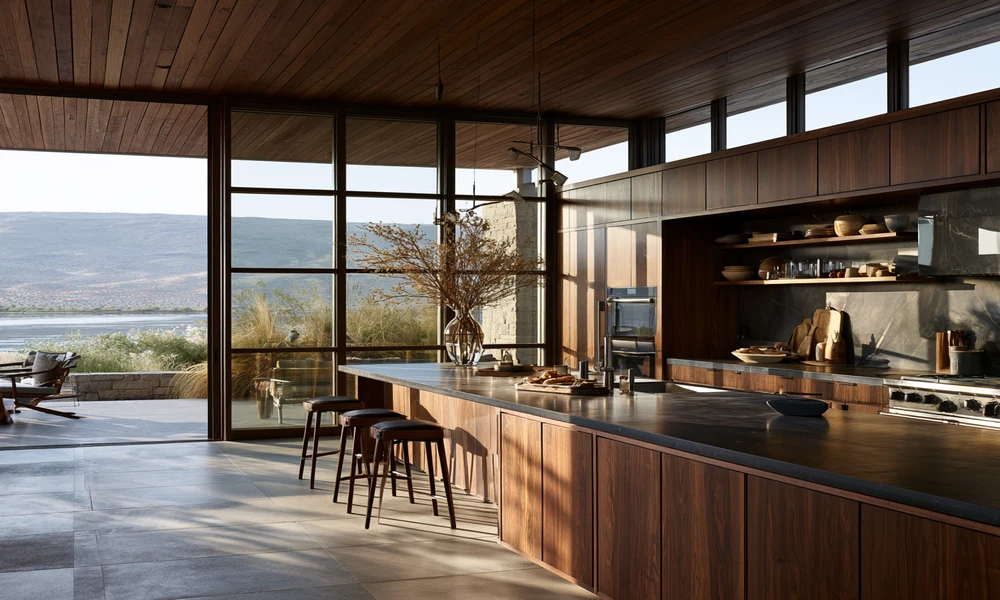
There is something special about standing in your kitchen and saying, “I built that.” A do it yourself kitchen cabinet project is more than a way to save money. It is a chance to create something that fits your home, your style, and your needs.
Building kitchen cabinets from scratch may seem difficult at first, but thousands of homeowners complete DIY cabinet projects every year. With careful planning, the right tools, and a little patience, you can build cabinets that look professional and last for decades.
Whether you are remodeling your entire kitchen or replacing a few old cabinets, this guide will help you understand the process, the benefits, and the satisfaction that comes from creating your own cabinets.
Why More Homeowners Choose a Do It Yourself Kitchen Cabinet Project
Kitchen remodeling is one of the most expensive home improvement projects. Cabinets alone can take up a large part of the budget.
Choosing a do it yourself kitchen cabinet project offers several advantages:
- Save thousands of dollars on labor.
- Customize every cabinet size.
- Choose your own materials.
- Pick the exact paint or stain color.
- Build stronger cabinets than many budget options.
- Learn valuable woodworking skills.
- Feel proud every time you use your kitchen.
Instead of settling for stock cabinets that almost fit your space, you create cabinets designed specifically for your home.
The Real Reward Isn’t Just Saving Money
Many people start DIY projects to reduce costs.
But after finishing the cabinets, most homeowners say the biggest reward is the feeling of accomplishment.
Every drawer that slides smoothly… Every cabinet door that closes perfectly… Every shelf holding dishes…
All remind you that your own hands created them.
That kind of satisfaction cannot be purchased from a store.
Planning Before You Build
Good planning makes every cabinet project easier.
Before buying wood or tools, think carefully about your kitchen.
Ask yourself:
- How much storage do I need?
- Where will appliances go?
- How many base cabinets are required?
- How many wall cabinets?
- Do I want open shelving?
- Will I include a pantry cabinet?
- Should I build soft-close drawers?
Measure your kitchen several times.
Even small measurement mistakes can create problems later.
Many experienced builders follow the rule:
Measure twice. Cut once.
Choose the Right Cabinet Style
One of the biggest benefits of a do it yourself kitchen cabinet project is complete design freedom.
Popular cabinet styles include:
Shaker Cabinets
- Simple, clean, and timeless.
- Perfect for modern, farmhouse, or traditional kitchens.
Flat Panel Cabinets
- Minimalist appearance with smooth doors.
- Excellent for contemporary homes.
Raised Panel Cabinets
- Decorative and elegant.
- Often found in traditional kitchens.
Glass Front Cabinets
Ideal for displaying dishes, glasses, or decorative pieces.
They also help smaller kitchens feel more open.
Open Cabinets
No doors at all.
Perfect for everyday dishes and quick access.
Selecting the Best Wood
Your cabinet material affects durability, appearance, and cost.
Popular choices include:
Plywood
One of the best cabinet materials.
Advantages:
- Strong
- Stable
- Moisture resistant
- Long-lasting
Birch
- Affordable and attractive.
- Easy to paint or stain.
Maple
- Smooth grain with excellent durability.
- Ideal for painted cabinets.
Oak
- Classic wood with visible grain.
- Perfect for natural finishes.
MDF
- Budget-friendly.
- Very smooth for painted cabinets.
- Less resistant to water than plywood.
Tools You’ll Need
You don’t need a professional woodworking shop.
Many homeowners build cabinets using basic tools.
Essential tools include:
- Tape measure
- Circular saw
- Table saw
- Drill
- Pocket hole jig
- Clamps
- Orbital sander
- Level
- Speed square
- Wood glue
- Nail gun (optional)
As your skills improve, you can add more advanced tools.
Step 1: Build the Cabinet Boxes
The cabinet box forms the structure.
Accuracy matters here.
Each cabinet should have:
- Two sides
- Top support
- Bottom panel
- Back panel
- Shelf supports
Use wood glue and screws to create strong joints.
Keep every corner perfectly square.
This makes installing doors much easier later.
Step 2: Add Face Frames (Optional)
Face-frame cabinets remain popular in many homes.
A face frame:
- Adds strength
- Creates a finished appearance
- Makes doors easier to mount
Many modern kitchens also use frameless cabinets, which offer slightly more storage space.
Choose whichever style matches your design.
Step 3: Install Shelves
Think carefully about how your family uses the kitchen.
Some cabinets need:
- Adjustable shelves
- Fixed shelves
- Pull-out shelves
- Spice organizers
- Deep storage
Custom shelving is one of the greatest advantages of building your own cabinets.
Step 4: Build Cabinet Doors
Cabinet doors receive the most attention.
Take your time.
Popular DIY door options include:
- Shaker
- Slab
- Glass insert
- Beadboard
- Raised panel
A simple Shaker door is often the easiest for beginners while still looking beautiful.
Step 5: Build Drawers
Good drawers make daily life easier.
Use quality drawer slides for smooth operation.
Consider adding:
- Deep pots-and-pans drawers
- Silverware organizers
- Trash pull-outs
- Hidden storage
- Spice drawers
Small upgrades make a big difference.
Sand Everything Carefully
Never rush sanding.
Smooth wood creates:
- Better paint adhesion
- Better stain absorption
- Professional-looking finishes
- Smooth edges
Start with coarse sandpaper.
Finish with fine grit for a silky surface.
Paint or Stain?
This depends on your style.
Painted Cabinets
Popular colors include:
- White
- Cream
- Light gray
- Sage green
- Navy blue
- Black
Paint gives a clean, modern appearance.
Stained Cabinets
Staining highlights natural wood grain.
Popular stain colors include:
- Walnut
- Honey Oak
- Espresso
- Natural Maple
- Provincial
Stained cabinets often hide scratches better over time.
Installing the Cabinets
Installation requires patience.
Begin with the upper cabinets before placing the base cabinets.
Always use:
- Wall studs
- Cabinet screws
- A level
- Shims
Even a small tilt becomes noticeable across an entire kitchen.
Double-check alignment often.
Add Hardware That Fits Your Style
Cabinet hardware changes the entire look.
Popular choices include:
- Matte black pulls
- Brushed nickel handles
- Brass knobs
- Stainless steel bars
- Leather pulls
Hardware is like jewelry for your cabinets.
Small details create a polished finish.
Common DIY Mistakes to Avoid
Every beginner makes mistakes. Knowing them early helps you avoid frustration.
Poor Measurements
- Incorrect measurements waste wood and money.
- Always measure multiple times.
Cheap Materials
- Low-quality wood may warp over time.
- Quality plywood usually provides the best long-term value.
Rushing the Finish
- Paint needs time to cure.
- Applying coats too quickly often causes peeling or streaks.
Forgetting to Label Parts
- Many cabinet pieces look similar.
- Mark each part before assembly.
- It saves hours later.
Ignoring Level Floors
- Many kitchens have uneven floors.
- Use shims when installing base cabinets.
Smart Features Worth Adding
Building your own cabinets means adding features that fit your lifestyle.
Popular upgrades include:
- Soft-close hinges
- Pull-out trash bins
- Hidden charging stations
- Under-sink organizers
- Lazy Susans
- Vertical baking sheet storage
- Built-in spice racks
- Appliance garages
- Pull-out pantry shelves
- Toe-kick drawers
These custom touches make everyday cooking more enjoyable.
How Much Can You Save?
Cabinet prices vary depending on size and materials.
In many kitchens:
- Stock cabinets are the least expensive but offer limited customization.
- Semi-custom cabinets cost more while allowing additional options.
- Fully custom cabinets are usually the most expensive.
A do it yourself kitchen cabinet project often reduces labor costs significantly, allowing you to invest more in quality materials, better hardware, or upgraded countertops while still staying within your remodeling budget.
Skills You’ll Gain Along the Way
Building cabinets teaches practical skills that help with future home projects.
You may learn:
- Measuring accurately
- Reading plans
- Woodworking
- Painting
- Cabinet installation
- Problem-solving
- Tool safety
- Project planning
These skills stay with you long after the kitchen is finished.
The Emotional Value of DIY Cabinets
People often focus on the physical cabinets.
But the emotional reward is just as important.
Imagine cooking dinner while remembering how every cabinet came together.
Family members notice.
Friends ask who installed them.
You proudly answer:
“I built them.”
That feeling never gets old.
Maintaining Your DIY Cabinets
With proper care, homemade cabinets can last for decades.
Simple maintenance includes:
- Wipe spills immediately.
- Clean with mild soap and water.
- Avoid harsh chemicals.
- Tighten loose hardware once a year.
- Touch up paint when needed.
- Protect wood from standing water.
- Inspect hinges occasionally.
Small maintenance habits keep cabinets looking new.
Is a Do It Yourself Kitchen Cabinet Project Right for You?
A DIY cabinet project is ideal if you:
- Enjoy learning new skills.
- Have patience.
- Like hands-on work.
- Want complete design control.
- Need custom-sized cabinets.
- Want to save on labor costs.
- Appreciate building something yourself.
Even beginners can achieve excellent results by taking one step at a time.
Final Thoughts
A do it yourself kitchen cabinet project is about far more than wood, screws, and paint. It is a journey that transforms both your kitchen and your confidence. Every measurement, cut, and finished surface reflects your effort and creativity.
While the process requires planning and patience, the reward is a kitchen filled with cabinets designed exactly the way you want them. You’ll enjoy custom storage, quality craftsmanship, and the pride of knowing every detail was built by your own hands.
Years from now, when guests compliment your kitchen, you won’t just admire the finished cabinets-you’ll remember the work, the lessons, and the satisfaction of creating something truly your own. That lasting sense of achievement is what makes building a do it yourself kitchen cabinet from scratch one of the most rewarding home improvement projects you can take on.