
Firewood is important to the people in Branson, so it is not surprising to see a woodpile next to the house. However, brush piles, fallen branches, and yard debris can accumulate quickly.
Unfortunately, the woodpile by the back door and the pile of leaves in the corner of the yard can be shelter for some pests. But people can make important changes when they understand how their outdoor storage habits can contribute to pest activity in the area. They can take steps for pest control in Branson to ensure their woodpiles and outdoor debris won’t make their home a target for unwanted guests.
What Pests Find Attractive About Woodpiles
A stacked woodpile creates conditions that are tailor-made for pest harborage. The gaps between logs provide dark, protected spaces that stay warm. Also, pests can benefit from moisture that collects between layers. Pests commonly found in and around woodpiles in Branson include:
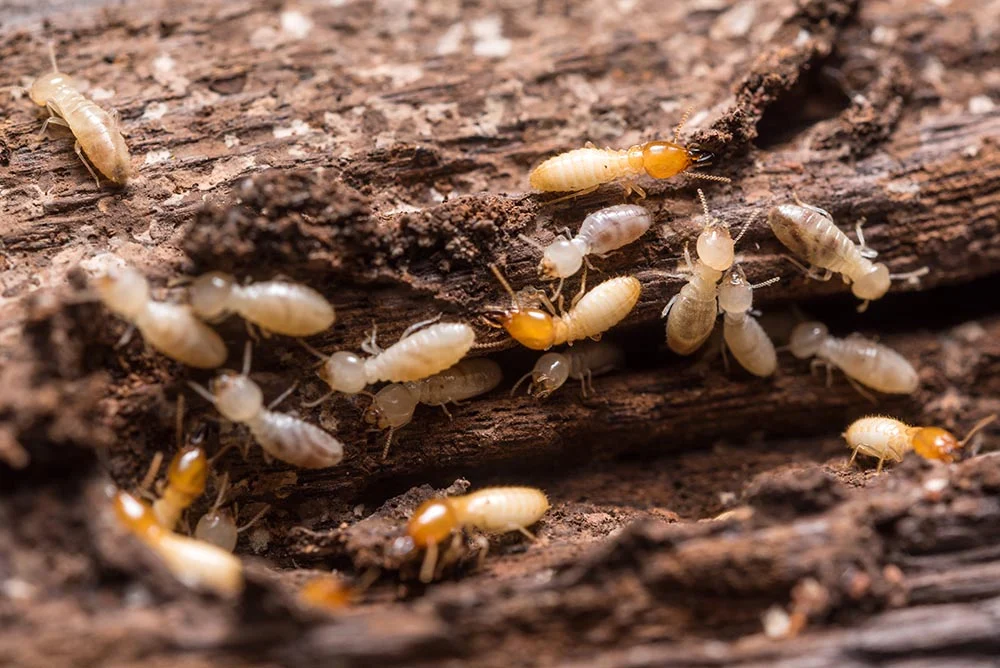
- Termites. Decaying wood in ground contact can attract termites. A woodpile sitting on soil gives subterranean termites a food source next to your home’s foundation.
- Carpenter ants. These ants don’t eat wood, but they excavate galleries inside soft, moisture-damaged logs and establish satellite colonies that can extend into nearby structures.
- Brown recluse spiders. These pests thrive in woodpiles and debris piles where they hunt undisturbed and reproduce without interference.
- Mice and rats. Rodents use woodpiles as shelter and nesting sites, particularly during fall and winter when outdoor temperatures drop.
- Scorpions. These hide under logs, bark, and debris during the day and become active at night.
- Cockroaches. American cockroaches and wood cockroaches shelter in woodpiles and migrate toward structures as temperatures change.
The Proximity Problem
The pest population living in your woodpile can become a direct threat to your home based on how close the woodpile sits to your exterior walls. A woodpile stacked against the side of the house, under a deck, or within a few feet of a foundation wall can create a bridge between an established pest population and your home’s interior.
Rodents don’t need much encouragement to move from a warm woodpile into an even warmer wall void. Termites foraging through a ground-contact woodpile will follow cellulose material in any direction, including toward your home’s wooden framing. Spiders and insects established in a nearby pile will expand their territory. Moving a woodpile from three feet away from the house to twenty feet away removes the easy pathway into your home.
Brush Piles and Leaf Accumulation Can Contribute to the Issue
Branson’s heavily wooded surroundings mean fallen branches, leaf litter, and organic debris can accumulate quickly, especially after storms. A brush pile left in the corner of a yard over winter can become a pest hotel. Leaves piled against a foundation wall trap moisture against the structure. They can attract insects and provide cover for rodents probing the home’s exterior for entry points. Decomposing organic matter at the base of these piles feeds termite and ant colonies that can extend their foraging range to include your home. Branson experiences enough moisture to keep organic debris damp, which can accelerate decay and make it more attractive to wood-destroying insects.
Leftover lumber from home projects, old fence boards stacked along a property line, unused landscaping timbers, and forgotten piles of construction material sit undisturbed for long periods. Termites can establish foraging galleries inside a stack of unused lumber. Rodents nest inside and beneath these piles through multiple seasons.
Many Branson homes have decks, covered porches, or elevated additions that can create an enclosed space beneath them. Debris, leaves, old firewood, or discarded items that accumulate in this space can become a year-round pest refuge that sits underneath a portion of the home. The structural wood of the deck itself is also vulnerable when debris accumulates against it. Moisture-trapping debris accelerates wood rot, which attracts carpenter ants and termites.