
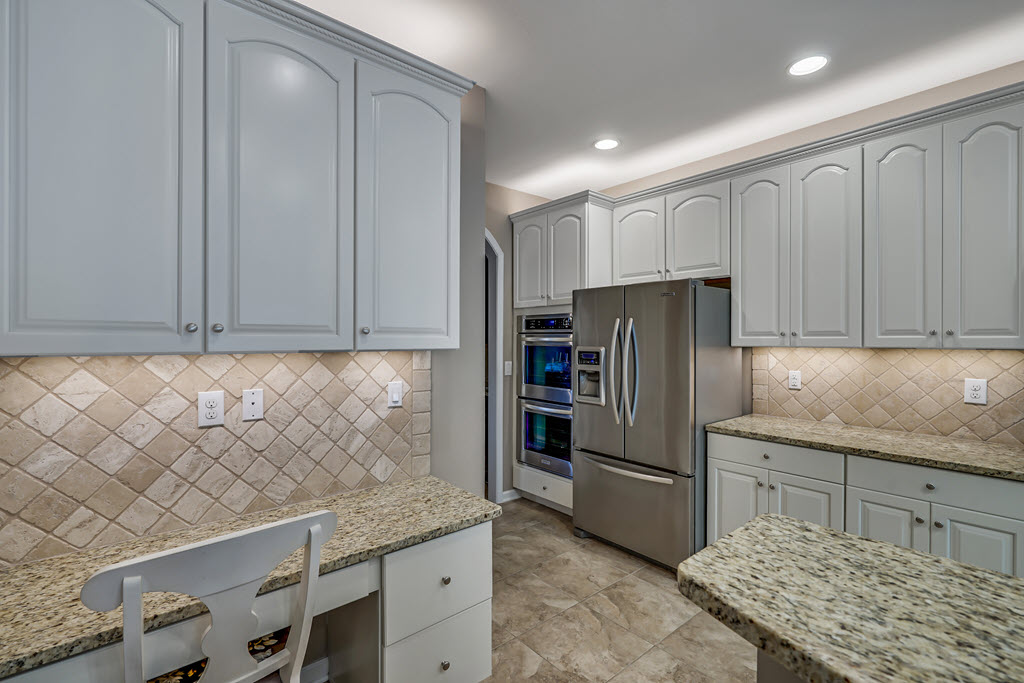
Kitchens in Villa Park don’t all look the same—and that’s exactly the point. With a mix of older homes ready for refreshes and newer builds seeking polish, homeowners here want kitchens that feel current without losing character or breaking the budget.
That’s where cabinet refacing shines. Instead of tearing out the existing boxes, refacing keeps the structure, adds new doors and drawer fronts, and wraps everything in fresh veneer or laminate for a high-impact transformation.
For anyone typing “Cabinet Refacing Villa Park” into a search bar, the appeal is clear: a faster, cleaner, and more cost-effective way to achieve the kitchen they actually want.
Below, explore how local housing trends shape cabinet choices, what refacing really saves compared to full replacement, the finishes Villa Park homeowners are selecting, timelines to expect, and how these updates can boost property value.
For detailed insights on design options, materials, and local refacing specialists, See details.
How Villa Park housing trends shape cabinet design choices
Villa Park’s housing mix, think mid-century ranches, 60s–80s builds, and custom homes that have been expanded or opened up, drives cabinet decisions more than trends on Instagram ever could. Homeowners are looking for practical beauty: clean lines, durable finishes, and storage that makes everyday life easier.
Three patterns stand out locally:
- Opened-up layouts meet transitional style: As walls come down between kitchens and living rooms, cabinets need to read well from multiple angles. Shaker doors with slim rails, finished end panels, and a furniture-like island help the kitchen feel integrated with the living area rather than “back-of-house.”
- Light, bright, and space-enhancing: Many Villa Park kitchens aren’t massive. Lighter finishes, soft whites, pale greiges, and warm wood tones, make rooms feel taller and wider. Glass accents or a few open shelves keep visual weight down without sacrificing everyday function.
- Smarter storage without moving walls: Refacing projects often add roll-out trays, deep drawers for pots, tray dividers, spice pull-outs, and hidden trash. The footprint stays the same, but the kitchen works better. It’s a quiet kind of luxury that people end up appreciating every day.
Refacing also fits the neighborhood aesthetic. In homes with mid-century lines, slab doors with a rift-cut oak or walnut look keep the spirit intact. In cottages and traditional properties, classic Shaker or beadboard profiles feel right at home. The result: cabinets that look purpose-built for the house, not dropped in from a catalog.
One more local reality: many owners want to keep quality stone countertops they installed in the past decade. Refacing lets them do that, no need to remove and risk damaging counters just to change the cabinet style. That single factor can decide the whole approach.
Refacing vs replacement: cost savings for local homeowners
Budget is usually the tipping point between refacing and full replacement, and refacing wins often because it delivers a big visual upgrade for noticeably less. While every project is unique, the following ballpark ranges reflect what many Villa Park homeowners encounter:
- Professional cabinet refacing (typical 10×12 to 12×15 kitchen): roughly $8,500–$18,000 with high-quality laminate or rigid thermofoil: $12,000–$25,000+ for premium wood veneers and custom door styles.
- Full cabinet replacement with new boxes (similar footprint): commonly $20,000–$50,000+, not including major layout changes, structural work, or top-tier custom cabinetry.
In short, refacing can run about 30–50% less than replacement, sometimes more when homeowners keep their existing countertops, backsplash, and flooring. Savings aren’t only financial:
- Less disruption: Most refacing installs wrap in about a week on-site. No need to demo the entire kitchen or wait on extended cabinet lead times.
- Lower waste: Keeping sturdy cabinet boxes out of the landfill appeals to eco-minded homeowners.
- Lower risk: If counters stay, there’s no risk of breaking stone during removal.
When replacement is the better call:
- Structural or moisture damage to boxes
- A major layout change (moving plumbing walls, adding an island, raising ceilings)
- Very low-quality or failing boxes that won’t hold new hardware
For everyone else, refacing is a savvy middle path. It’s the reason “Cabinet Refacing Villa Park” searches surge every spring, people want the look of a remodel without the price or downtime of a full gut.
Popular finishes and textures in Villa Park kitchens
Villa Park homeowners tend to gravitate toward finishes that feel modern but not cold, easy to maintain, and friendly to a range of countertop and flooring choices. A few front-runners:
- Soft whites and warm neutrals: Creamy whites (think Swiss Coffee vibes), linen, and greige brighten compact kitchens and pair well with existing oak or maple floors. They also play nicely with both cool and warm marbles and quartz.
- Light wood looks with texture: Rift-cut white oak and straight-grain walnut, either real wood veneer or high-end textured laminate, deliver warmth and a custom look without the upkeep of stained solid wood. Matte, tactile surfaces hide fingerprints better than glass-smooth lacquer.
- Two-tone combinations: A popular Villa Park formula is white or pale perimeter cabinets with a deeper island, ink, forest, or charcoal. It anchors the room and makes the island feel like a furniture piece.
- Modern slab or slim-rail Shaker: Slab doors keep a mid-century spirit alive, especially in homes from the 60s–70s. Slim-rail Shaker splits the difference, clean lines with just enough detail to read “transitional.”
- Durable laminates and 3D thermofoils: Today’s performance laminates are leagues beyond what people remember. Many are scratch-resistant, UV-stable, and stain-resistant, making them practical for households with kids and pets.
Hardware and accents that are trending locally:
- Matte black or brushed brass pulls (sometimes mixed thoughtfully)
- Integrated finger pulls on slab doors for a cleaner, contemporary line
- Soft-close hinges and full-extension drawer glides as the default, not upgrades
Care and maintenance stay simple with these finishes. A mild soap-and-water wipe-down handles most messes. For south- or west-facing kitchens that get strong sun, UV-stable finishes or shades during peak hours help preserve color. It’s the kind of low-drama upkeep that busy households appreciate.
Timeframe expectations for professional cabinet refacing projects
Refacing moves faster than full replacement, but it still follows a clear process. Typical milestones for a Villa Park project look like this:
- Consultation and measure: 60–90 minutes to review goals, door styles, finishes, and interior accessories. Most homeowners receive a detailed quote within 1–3 business days.
- Design finalization and ordering: 3–10 days, depending on how quickly selections are approved. Custom doors and drawer fronts usually take 2–4 weeks to fabricate.
- On-site installation: 3–5 days for many kitchens: 5–7 days if adding lots of pull-outs, crown, light rail, or minor modifications. The sequence is usually door/drawer removal, surface prep, veneering face frames and exposed ends, installing new doors/drawers and hardware, then touch-ups.
If countertops are being replaced at the same time, add roughly 1–2 weeks for templating and fabrication after cabinets are finished. Backsplash work can be scheduled right after counters set. Most households can still use part of the kitchen during refacing: expect some dust control, light noise, and limited downtime, usually far less than a full tear-out.
Permits aren’t typically required for cabinet refacing alone in most municipalities. If electrical or plumbing changes are included, local codes apply, so it’s worth confirming with your contractor.