
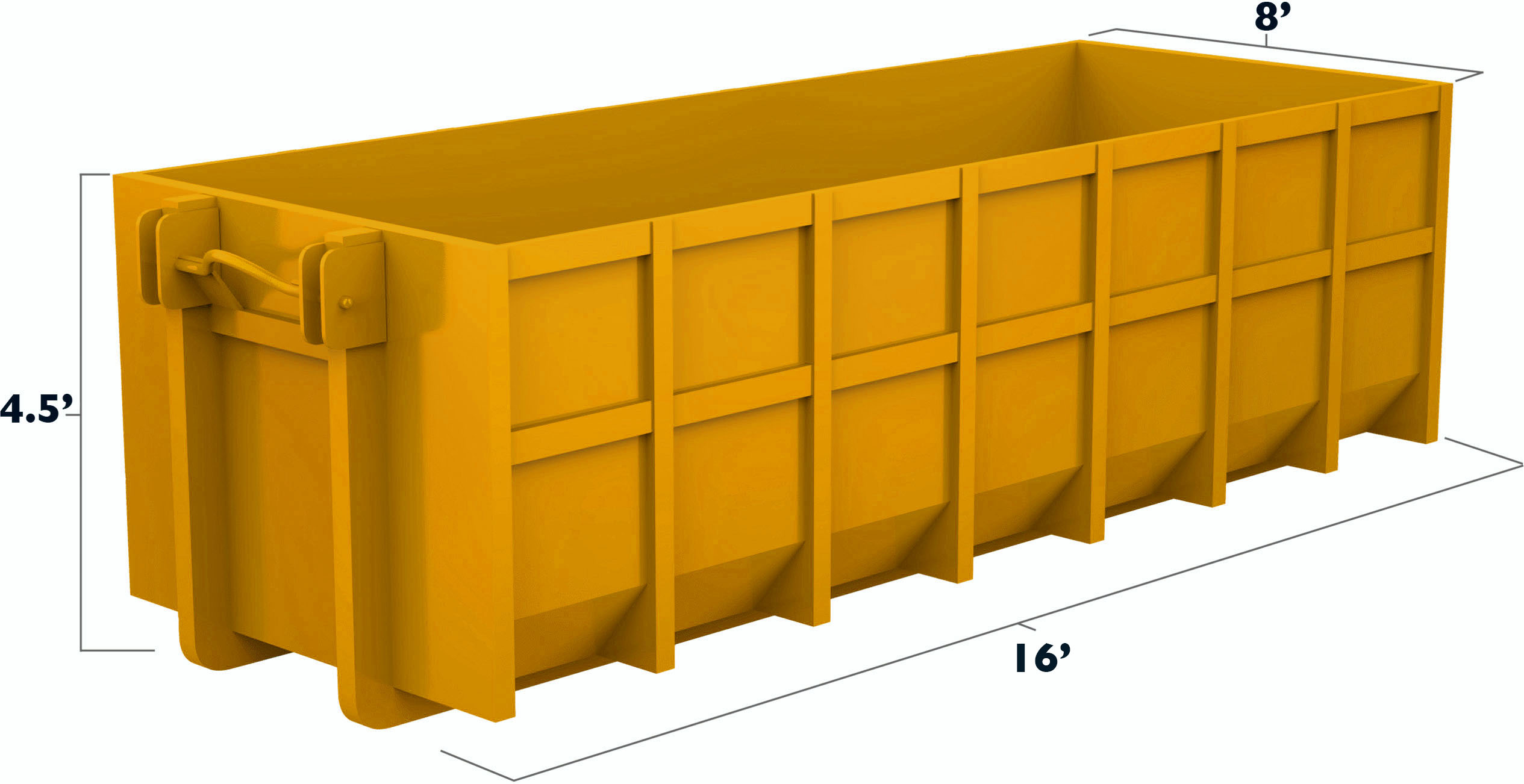
Clearing out a garage in a Chicago bungalow? Tackling a modest kitchen update in a two-flat? A 15 Yard Dumpster Rental Chicago often hits the sweet spot, big enough to handle clutter and construction debris, small enough to fit tight city driveways and alleys. This guide breaks down when a 15 yard container excels, how it stacks up against a 30 yard, what local disposal rules to keep in mind, and how to manage costs without surprises. For smaller-scale projects, choosing the right size isn’t just about capacity, it’s about maneuverability, neighborhood rules, and making sure every dollar, and every square foot, works hard.
Ideal uses for 15 yard dumpsters in Chicago homes
A 15 yard dumpster is a workhorse for tidy, targeted projects across Chicago’s neighborhoods, think Portage Park garages, Bridgeport basements, and Lakeview courtyards.
Garage, basement, and attic cleanouts
For purging years of boxes, broken tools, old furniture, and general clutter, a 15 yard container typically covers 6–8 pickup loads. It’s compact enough for most driveways yet roomy enough for mixed household junk, small furnishings, and light remodeling debris.
Landscaping and yard refreshes
Pruning, brush removal, and small patio demos are fair game. Keep in mind: soil, sod, and concrete are dense and may hit the weight cap fast. Many haulers allow these heavy materials but ask for “clean loads” (only one material) or limit how high they can be stacked.
Minor renovations
- Single-room remodels (bath or small kitchen)
- Flooring removal (carpet, LVP, hardwood)
- Small deck or fence tear-downs
- Partial roofing jobs or garage reroofs
Because most 15 yard rentals include a 1–3 ton weight limit, they’re ideal for light-to-moderate debris. For dense materials, tile, masonry, plaster, this size still works, but it’s wise to load carefully and watch weight to avoid overage fees.
City-friendly footprint
Alley access and narrow lots are a Chicago fact of life. A 15 yard’s smaller footprint is easier for drivers to set without blocking traffic or violating building rules, and it’s more likely to squeeze into tight spaces where larger containers simply won’t.
Comparing smaller containers with 30 yard alternatives
When deciding between a 15 yard and a 30 yard dumpster, capacity is only half the story. The other half is placement, cost, and local logistics.
Why a 15 yard makes sense
- Fits most city driveways and many alleys without extensive maneuvering
- Lower base price and smaller included weight (less risk of paying for unused space)
- Easier to load for one-room projects and clutter purges
- Fewer placement complications for condo/HOA properties
When a 30 yard wins
- Whole-home cleanouts, estate moves, or multi-room renovations
- Large roofing projects, major additions, or gut rehabs
- You want one container for everything with fewer hauls
Practical comparison
- Footprint and access: Chicago alleys can be narrow and lined with garages, poles, and low lines. A 30 yard typically needs more clearance and a longer drop zone. A 15 yard gives drivers more flexibility and reduces the chances of rescheduling due to tight access.
- Cost and waste: A 30 yard can be cost-effective for big jobs but can feel like overkill for smaller ones. Renting a 15 yard twice (if needed) can still come out cheaper than paying for a half-empty 30 yard, especially when factoring in weight limits and permit logistics.
- Project phasing: For staggered work, first the cleanout, then the demo, two 15 yard swaps may keep the site tidier and the workflow smoother.
If a project sits on the fence between sizes, they can ask the hauler for weight guidance based on materials. Many local providers will review photos and recommend the leanest option that still avoids overage headaches.
Disposal restrictions and rules renters should know
Chicago renters should plan for both what goes in the dumpster, and where the dumpster goes.
Common prohibited items
- Hazardous waste: chemicals, solvents, fuels, pesticides, asbestos
- Liquids and wet paint (dried/solidified latex paint is typically acceptable)
- Electronics: TVs, computer monitors, certain e-waste are restricted under Illinois law
- Tires, batteries, and medical/sharps waste
- Appliances with refrigerants unless properly evacuated
Always confirm the hauler’s list: restrictions and fees vary by facility.
Material-specific notes
- Yard waste: Illinois restricts yard waste from landfills. Some haulers accept it in dedicated or “clean” loads for composting: others require separate service.
- Heavy debris: Concrete, brick, block, and dirt are usually permitted in small quantities in a 15 yard, but they’re dense. Many providers cap how high these materials can be loaded or require a lower sidewall container for safety.
Placement rules and permits
- Public way placement (street or alley) often requires a city permit and safety barricades/cones. Many haulers handle permits, but renters should ask.
- Private property placement (driveway) usually avoids permits, though HOAs and condo boards may have rules on timing, protection mats, and duration.
- Never overfill: debris must be level with the top, nothing sticking out. Overfilled containers cannot be hauled for safety reasons.
More information on permit requirements and material bans is available from City of Chicago departments and local waste providers: a quick call upfront saves time and potential fines.
Managing costs for garage cleanouts and renovations
A smart plan keeps a 15 Yard Dumpster Rental Chicago affordable and predictable.
Know typical price drivers
- Size and weight cap: 15 yard pricing commonly includes 1–3 tons. Heavier debris pushes costs up faster than volume does.
- Rental duration: Standard includes about 7 days: extra days add fees.
- Location and placement: Public way permits and barricade rentals add cost: driveway placement is usually cheaper.
- Material type: Contaminated or mixed loads can carry surcharges at disposal sites.
As a general reference, a 15 yard in Chicago often ranges from the low $400s to the mid $600s for a short-term rental with a basic weight allowance, while a 30 yard may run significantly higher. Actual prices vary by season, supply, and disposal rates.
Cost-control tips
- Choose the smallest size that realistically fits the job: don’t pay for air.
- Keep loads dry, rain adds weight. Close doors and consider tarping between uses.
- Stage debris before delivery so loading is quick, then schedule pickup promptly to avoid extra days.
- Separate heavy materials (brick, concrete, dirt) and ask if a reduced-weight cap or special rate applies.
- Avoid restricted items to prevent contamination or rejection fees.
- Share with a neighbor doing a mini cleanout, split the cost and fill it faster.
Ask for a written, all-in quote: size, included weight, rental days, overage per ton, pickup fees, and any permit charges. Clarity prevents bill shock.