
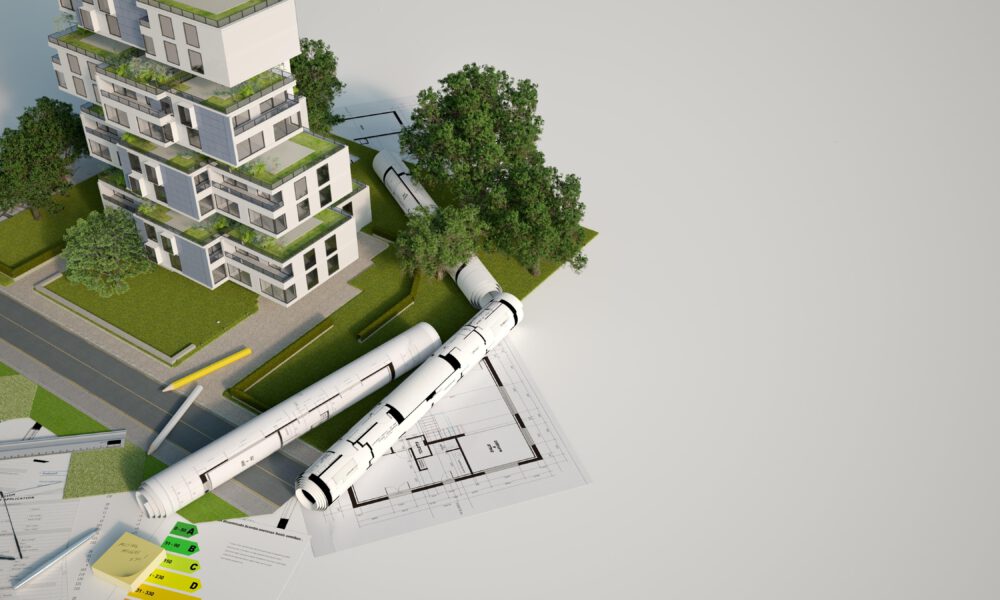
Choosing a Home Builder Miami Beach homeowners trust is about more than pretty finishes, it’s about performance on the shoreline. In Miami Beach, homes face salt-laden air, high winds, storm surge, and relentless sun. The best projects solve for all of that without sacrificing the light-filled, indoor–outdoor lifestyle people move here to enjoy. Drawing on lessons from recent hurricane seasons and the latest building science, leading teams like MT Construction Group are rethinking foundations, envelopes, and floor plans to fit coastal realities. This piece explores what’s changing in 2025: resilient methods that protect investments, open-plan layouts that breathe, seamless outdoor connections, and the aesthetics that give Miami Beach its unmistakable character.
Construction challenges unique to coastal Miami Beach
Miami Beach is stunning, and punishing. Salt spray accelerates corrosion on everything from fasteners and railings to rebar inside concrete. Tropical storms can throw Category 4–5 gusts at roof edges and openings, while flood zones (AE and VE) bring storm surge, king tides, and high groundwater that complicate foundations and below-grade spaces. Soil conditions vary, but sandy profiles and shallow water tables often mean deeper or specialized piles to reach competent bearing.
Humidity, heat, and intense UV exposure stress building envelopes and finishes year-round, driving expansion, contraction, and premature weathering. The local High-Velocity Hurricane Zone (HVHZ) requirements within the Florida Building Code raise the bar for impact resistance, connections, and product approvals (Miami-Dade NOAs). That adds complexity in design, sourcing, and inspections.
Noise and privacy are also real variables in denser, waterfront neighborhoods. Add in coastal wildlife, mosquito pressure, and stringent environmental regulations protecting dunes and vegetation, and each lot becomes a micro–case study. A capable Home Builder Miami Beach residents rely on starts with site-specific wind, flood, and corrosion strategies, not generic details that belong inland.
Resilient methods for withstanding tropical weather
Resilience begins with a continuous load path, from roof sheathing down to the foundation, so uplift, shear, and lateral forces have nowhere to go but into the ground. In practice, that means hurricane clips, straps, and connectors matched to engineered calculations: fully adhered roof underlayments as a secondary water barrier: and roof assemblies (often hip roofs or well-braced gables) rated for HVHZ pressures.
Openings are the weak link in storms. Impact-rated glazing with Miami-Dade approvals, robust frames, and properly anchored bucks dramatically reduce breach risk. Many projects pair that glass with motorized storm shutters for quick deployment before a landfall.
Foundations and flood design drive big decisions. Elevated slabs, piers, or helical piles allow water to pass beneath: breakaway walls in V zones prevent structural drag: flood vents equalize hydrostatic pressure in enclosed areas. Drainage is layered: oversized gutters and scuppers, site grading, permeable hardscapes, trench drains, and backflow preventers, all working together.
Materials get upgraded in salt air. Epoxy-coated or GFRP rebar, 316 stainless hardware, hot-dip galvanized steel, fiber-cement or stucco claddings, and marine-grade coatings slow corrosion. Inside, sealed ducts, dedicated dehumidification, and ERVs maintain healthy humidity. Programs like IBHS FORTIFIED can document these measures and may lower insurance costs.
Open-plan designs enhancing natural airflow and light
Open plans aren’t just aesthetic in Miami Beach, they’re passive performance tools. When rooms align to prevailing breezes off the Atlantic, cross-ventilation reduces cooling loads and keeps spaces fresh during shoulder seasons. Thoughtful orientation, wide openings, and interior transparency let air move in one side and out the other.
Daylighting follows the same logic. Larger spans, clerestory windows, and light shelves bounce illumination deep into living spaces, cutting daytime lighting demand. To keep heat gain in check, designers pair high-performance glazing with deep overhangs, exterior shading, and selective window-to-wall ratios on west exposures.
Ceiling heights and volume also matter. Taller ceilings exploit the stack effect to lift warm air above occupied zones, while quietly efficient ceiling fans help mix or move air without cranking the AC. In storm country, every large opening must still meet impact and pressure ratings: MT Construction Group frequently coordinates early with suppliers to ensure cornerless sliders, pivot doors, and skylights meet HVHZ specs without compromising the open-plan intent.
Acoustics and zoning keep open living comfortable. Subtle ceiling coffers, area rugs, and soft finishes manage sound, and mechanical zones isolate bedrooms for precise nighttime climate control.
Integrating indoor and outdoor living spaces seamlessly
The Miami Beach lifestyle blurs boundaries. Zero-threshold transitions, linear drains, and careful slab elevations create flush lines from great room to terrace. Large-format porcelain pavers outside can match interior flooring for visual continuity, while expansion joints and slip ratings keep those surfaces safe and durable in wet conditions.
Modern corner pocket sliders and multi-panel doors open entire walls, but the details make or break the experience: concealed head tracks, hurricane-rated assemblies, and sill designs that manage wind-driven rain. Retractable screens protect against mosquitos without blocking views, and louvered pergolas or motorized shading tune light and heat through the day.
Outdoor rooms are designed like interiors, kitchens with marine-grade appliances, ceiling fans, integrated speakers, misting lines, and durable, salt-friendly finishes such as powder-coated aluminum, teak, or composite decking. Because coastal air carries moisture indoors, HVAC strategies anticipate open-door living: dedicated dehumidifiers, smart sensors that ramp conditioning when doors close, and materials (cabinetry boxes, substrates) that tolerate humidity swings.
Landscape ties it together. Native plantings, sea grape, saw palmetto, dune sunflower, handle wind and salt while stabilizing soil. Bioswales and permeable drive courts manage runoff. A Home Builder Miami Beach owners trust coordinates all of this so outdoor spaces are inviting on a blue-sky Tuesday and protected on a stormy Friday.
Innovations driving Miami Beach home construction in 2025
In 2025, several innovations are reshaping how coastal homes are designed and built:
- Advanced envelopes: Insulated concrete forms (ICFs), high-strength CMU with integral insulation, and liquid-applied air/water barriers reduce infiltration and humidity. Self-adhered membranes and taped sheathing create tighter, drier shells.
- Corrosion-smart structure: GFRP rebar, upgraded galvanization, and ceramic-coated fasteners extend service life in salt environments. Where feasible, light-gauge steel with marine coatings replaces dimensional lumber for exterior assemblies.
- Smart power and water: Solar + battery storage sized for multi-day outages, generator-ready panels, and vehicle-to-home (V2H) setups keep essentials running. Smart leak detection, sump monitoring, and deployable flood barriers add layers of protection.
- Healthy air by default: Whole-house ERVs, MERV-13+ filtration, and heat-pump systems with dedicated dehumidification maintain 45–50% RH, protecting finishes and art collections common in Miami homes.
- Digital delivery: BIM, drone surveys, and reality capture reduce clashes before groundbreak. Prefabricated wall/roof panels shorten exposure to weather during construction and improve quality.
- Lower-carbon builds: Mix designs with SCMs (slag/fly ash), locally sourced aggregates, and high-SRI roof finishes cut embodied and operational carbon. Native landscaping and cisterns help with water resilience.
MT Construction Group, a leading Home Builder Miami Beach clients consult for complex sites, often blends these tools with strict HVHZ compliance, so innovation never outruns code or practical durability.