
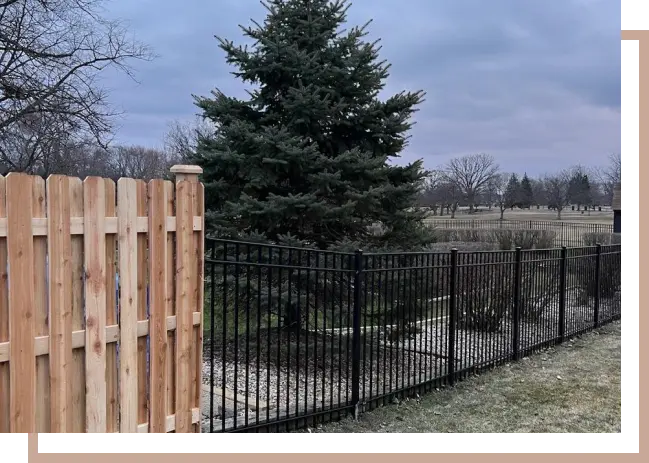
Fencing in Plainfield isn’t one‑size‑fits‑all anymore. As neighborhoods fill in and lot sizes vary, residents are looking for solutions that fit their street, HOA expectations, and daily life. Plainfield Fence Company sees that demand firsthand: vinyl and composite are rising for low maintenance, wood still leads for character, and security features are no longer an afterthought. This guide breaks down material choices, the zoning rules that shape what’s possible, and how homeowners are weighing cost against durability and curb appeal. Those planning a project can use it as a roadmap, and for More information specific to their address, they can always loop in Plainfield Fence Company and the local building department early.
Vinyl, wood, and composite options leading Plainfield demand
Vinyl: low maintenance privacy and clean lines
Vinyl is having a moment in Plainfield. Homeowners who don’t want to stain, paint, or worry about rot are choosing vinyl for backyard privacy or side-yard enclosures. It comes in classic white and tan, plus wood‑tone textures that avoid the shiny look of older products. Panels typically lock into routed posts, which adds strength and a neat, gap‑free finish.
Popular styles include:
- 6‑foot privacy panels for backyards and pools
- Semi‑privacy with spaced slats to let wind through
- Decorative tops, lattice or picket, on a solid lower panel
Pros: very low maintenance, consistent color, solid warranties. Cons: higher upfront cost than wood, less flexible for custom on‑site tweaks, and if a panel cracks, the full section often needs replacing.
Wood: warmth, flexibility, and classic curb appeal
Wood remains a Plainfield staple because it’s adaptable and timeless. Cedar and pressure‑treated pine are the go‑tos. Cedar offers natural resistance to decay and takes stain beautifully: treated pine is budget‑friendly and strong once dried and finished.
Homeowners like:
- Board‑on‑board or shadowbox for privacy with airflow
- Horizontal slat designs for a modern look
- Decorative caps and fascia for a finished appearance
Pros: custom fit around slopes and trees, easy to repair slats or rails, lower upfront cost. Cons: maintenance. Expect to seal or stain every 2–3 years (sooner in high sun), and watch for ground contact where moisture can shorten lifespan.
Composite: premium look, long‑term payback
Composite combines wood fibers and polymers for a dense, quiet fence with upscale aesthetics. It mimics stained wood without the annual to‑do list. In Plainfield, composite is popular along busy roads or shared lot lines where longevity and sound dampening matter.
Pros: excellent durability, rich color palettes, minimal upkeep. Cons: the highest upfront cost, heavier components that need solid posts, and brand‑specific hardware. For homeowners staying put long term, the total cost of ownership can pencil out favorably.
What’s trending locally
- Low‑maintenance materials (vinyl/composite) for perimeter privacy
- Wood accents, gates, trim, or short front‑yard pickets, to warm up the look
- Mix‑and‑match designs, like a composite privacy run with a wood or aluminum front accent
Plainfield Fence Company typically balances these choices with code requirements, HOA guidelines, and how the yard is used, kids, pets, gardens, or entertaining, so the fence works as good as it looks.
Local zoning rules and their impact on fence installation
Zoning doesn’t just set paperwork: it shapes the fence itself. While every municipality and HOA can vary, Plainfield homeowners usually encounter a familiar set of rules and checks.
Heights, setbacks, and visibility
- Front yards: Many towns limit front‑yard height (often around 3–4 feet) to preserve sightlines and neighborhood character.
- Side and rear yards: Privacy heights commonly cap near 6 feet, sometimes higher with approval.
- Corner lots: “Sight triangles” at intersections can restrict fence placement and height near driveways and corners for safety.
Easements and utilities
Fences generally can’t obstruct drainage swales, utility easements, or meters. Installers call 811 to mark underground lines before digging. A professional layout will avoid encroachments that can trigger removal later.
Permits, HOAs, and inspections
- Permits: Many Plainfield‑area projects require a permit, a simple plot plan, and product specs.
- HOA approval: Architectural committees may dictate style, material, and color, even when zoning allows more.
- Final inspection: Some jurisdictions check height, location, and post depth.
Practical implications
These rules affect timelines, style choices, and cost. For example, a front‑yard picket might be approved in white vinyl or painted wood but not in a tall, solid panel. On sloped lots, stepped vs. racked panels may be required to maintain height within code. When in doubt, Plainfield Fence Company confirms property lines, reviews municipal ordinances, and coordinates approvals. Homeowners should verify current requirements with the Plainfield building department for the most accurate, up‑to‑date guidance.
Aesthetic considerations alongside property security
Plainfield homeowners rarely want a fortress. They want a fence that feels welcoming from the street while quietly doing the work of privacy, safety, and boundary setting.
Privacy without the heavy look
Semi‑privacy designs, shadowbox, alternating slats, or narrow gaps, soften long runs and help with wind loads. Lattice or picket toppers on a solid base add lightness at eye level and still screen patios or play areas.
Cohesion with house and neighborhood
- Color: White or tan vinyl suits traditional homes: stained cedar warms up modern exteriors: darker stains or composite tones read contemporary.
- Rhythm: Aligning rail heights with porch or window lines creates visual harmony.
- Accents: Gate arches, post caps, and trimmed edges make a budget fence look custom.
Security in the details
- Height and layout: Keep private areas at full legal height: use lower, friendlier styles out front.
- Gates: Self‑closing, self‑latching hardware is a must for pools and helpful for pets and kids. Lockable latches add peace of mind.
- Visibility: Avoid creating hidden pockets near entries. Strategic spacing or a short transition panel near a gate maintains sightlines.
- Lighting and cameras: Low‑voltage post lights and camera‑ready gate posts integrate easily during installation.
The sweet spot is a fence that reads as part of the landscape design yet quietly controls access. Plainfield Fence Company often pairs a solid backyard perimeter with a softer, style‑matched front approach to keep curb appeal intact.
How Plainfield homeowners approach cost versus durability
Budget is more than the bid on install day. Most residents weigh total cost of ownership over 10–15 years, especially if they plan to stay.
Upfront vs. lifetime costs
- Wood: Typically the lowest initial cost. Expect recurring maintenance, cleaning plus stain or seal every 2–3 years. Small repairs (pickets, rails) are inexpensive.
- Vinyl: Mid‑to‑higher initial cost, minimal upkeep beyond occasional washing. Repairs may require swapping full panels.
- Composite: Highest upfront price, very low maintenance, excellent longevity.
A rough, illustrative example for a 120‑foot backyard run:
- Wood installed: lower entry cost, plus $150–$300 per maintenance cycle for materials if DIY (more if hired), multiplied over a decade.
- Vinyl installed: higher entry cost, negligible maintenance.
- Composite installed: highest entry cost, negligible maintenance with strong color retention.
Actual pricing varies by height, terrain, gates, and supply conditions, but this lens helps compare apples to apples.
Durability factors plain and simple
- Climate: Sun exposure accelerates fading on dark stains: freeze‑thaw cycles test post settings, proper depth below frost line is non‑negotiable.
- Hardware: Stainless or coated fasteners prevent stains and premature failures.
- Warranty: Vinyl and composite often carry material warranties: ask what’s covered and for how long.
Resale and sustainability
A well‑designed fence can boost perceived value, clean lines, matching gates, and pro installation stand out at showings. For those focused on sustainability, long‑life materials reduce replacements: responsibly sourced cedar and recyclable vinyl/composites can also factor into the decision. Plainfield Fence Company typically presents side‑by‑side options so owners can pick the best fit for their timeline and budget.